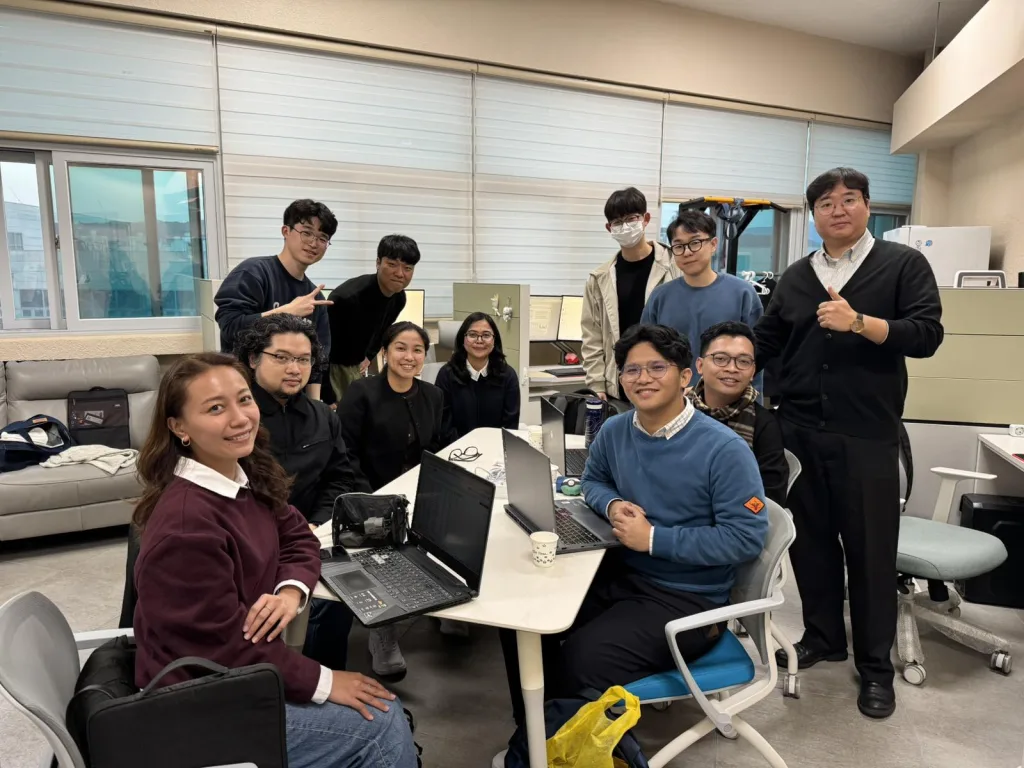
Faculty and researchers from the Institute of Environmental Science and Meteorology (IESM) participated in a three-day intensive training hosted by the Environmental Intelligence Lab of Pusan National University (PNU) from 24–26 November 2025 in Busan, South Korea. The activity forms part of the UP Diliman–PNU collaborative project, Artificial Intelligence-based Sustainable Water Resources Management in the Philippines (AI-SWaMP), which seeks to advance remote sensing, deep learning, and climate-hydrological modeling for river basin management. The AI-SWaMP Project is funded through the DOST Grants-in-Aid Program and monitored by PCIEERD.
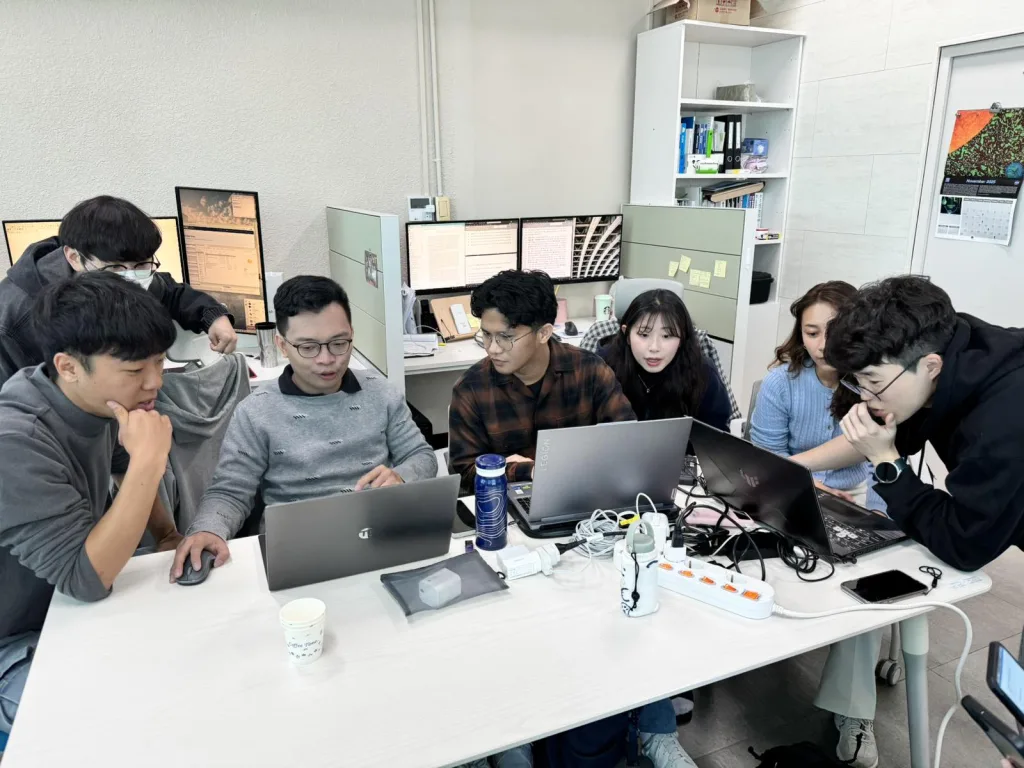
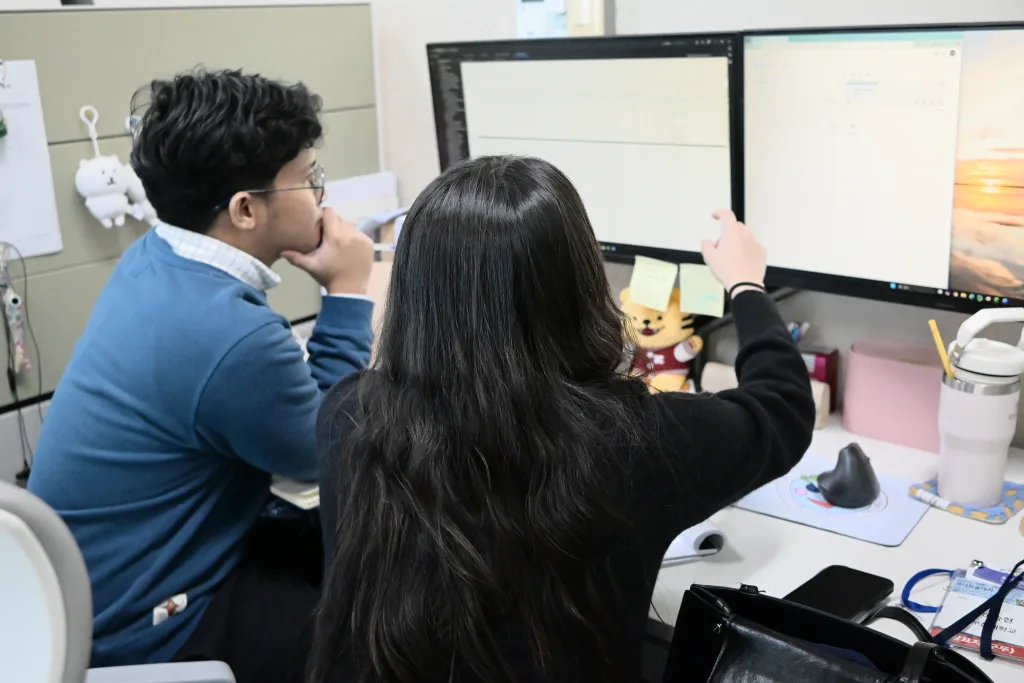
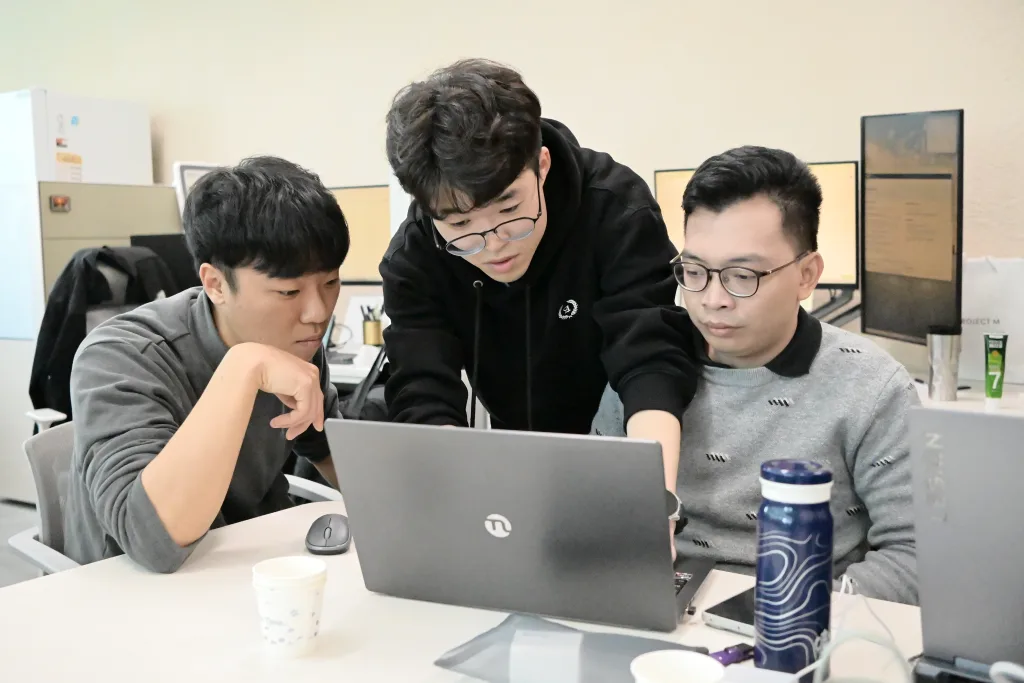
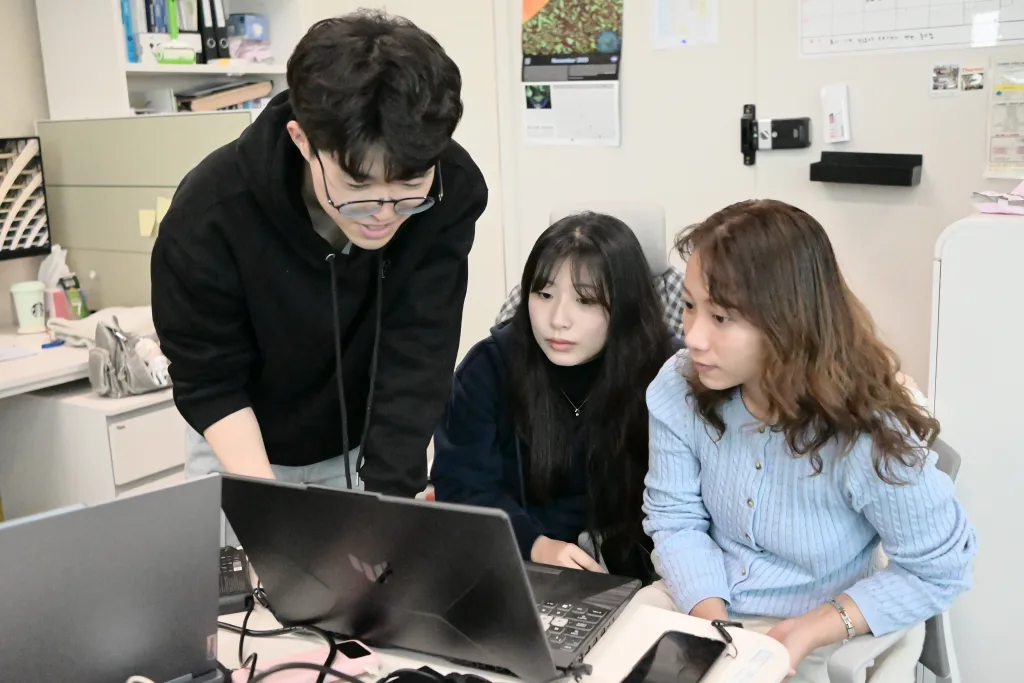
The short-course program was led by students of PNU’s Environmental Intelligence Lab, who provided hands-on sessions on artificial intelligence applications for water environment analysis. Representing IESM were Dr. Mayzonee Ligaray, project leader, along with Dr. Rafaela Jane Delfino, Dr. Bernard Alan Racoma, Mr. Mark Roan Elrae Villareal, Ms. Rena Christina Puno, and Mr. Rhenzie Pagud.
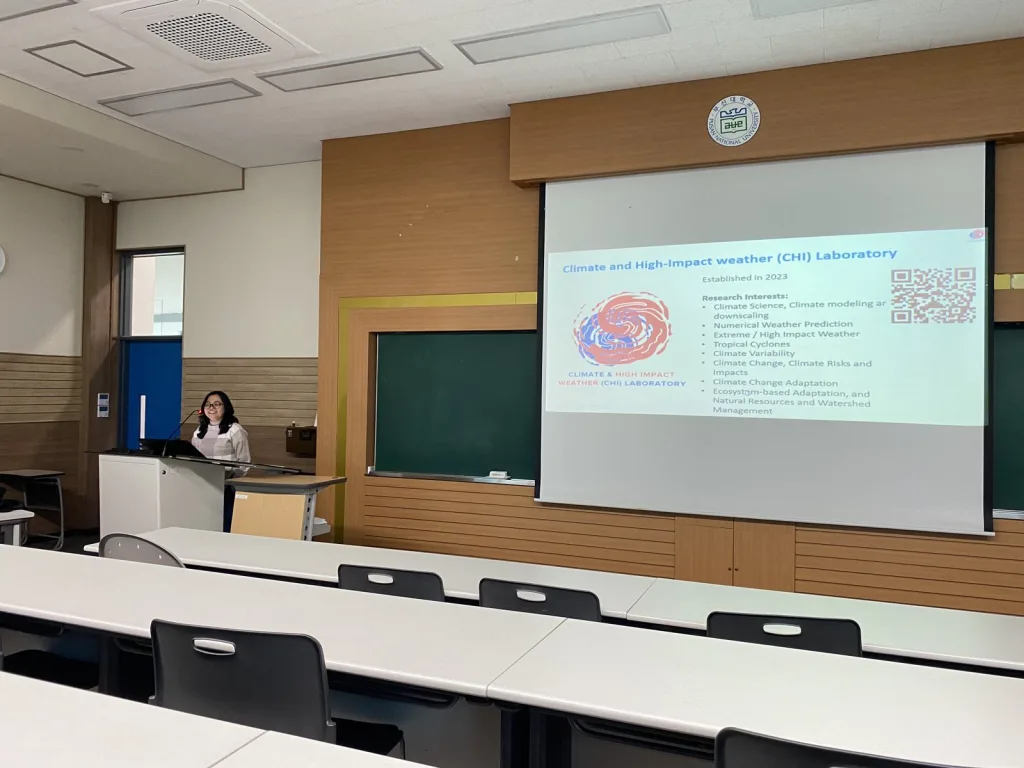
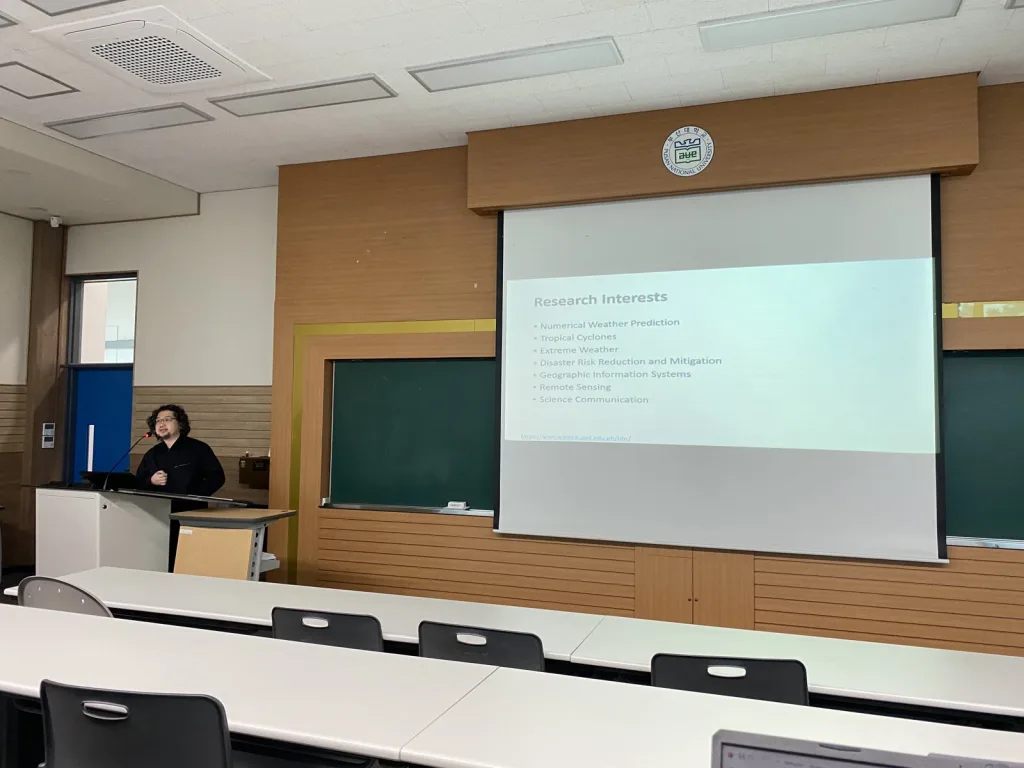
As part of the academic exchange component of the collaboration, the IESM team shared their ongoing work with members of the Environmental Intelligence Lab and PNU’s Department of Environmental Engineering. On the first day, Dr. Bernard Alan Racoma and Dr. Rafaela Jane Delfino presented the research thrusts of their respective laboratories, with Dr. Delfino also delivering a special lecture on climate downscaling for PNU researchers and students. This was followed by Dr. Mayzonee Ligaray, who introduced the AI-SWaMP project—its components, team structure, research directions, and expected deliverables (Related: Dr. Mayzonee Ligaray Receives Honorable Mention in the 2025 ASEAN–U.S. Science Prize for Women, awarded for the AI-SWaMP Project).
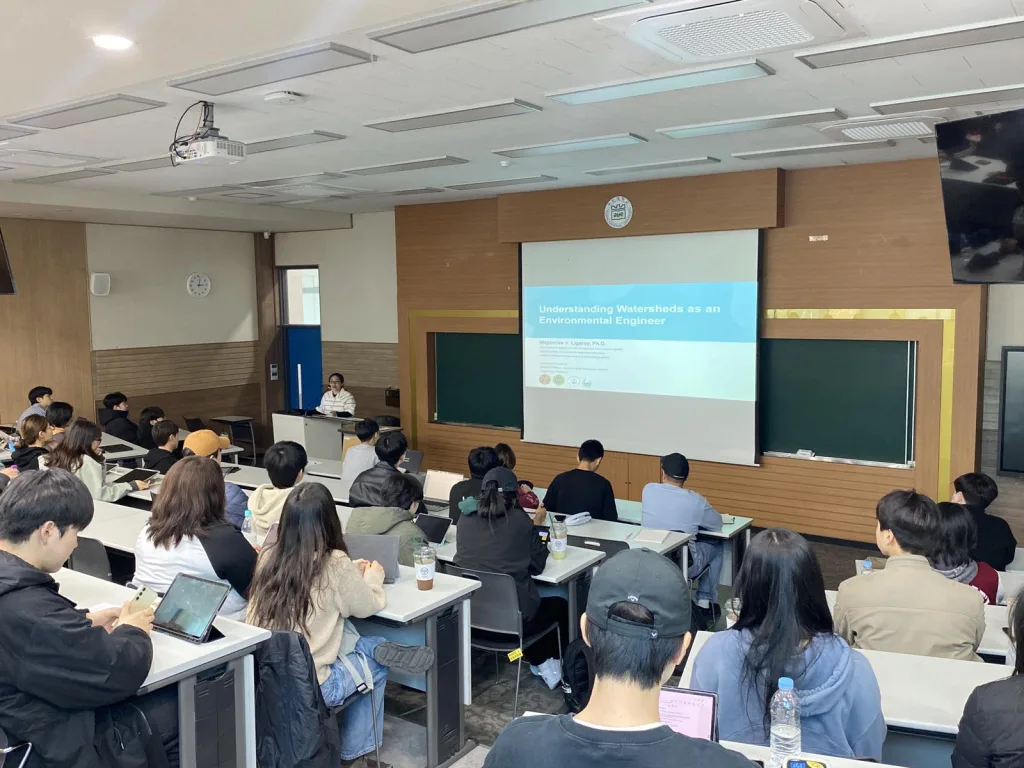
On the second day, Dr. Ligaray conducted a separate session titled “Understanding Watersheds as an Environmental Engineer,” designed for first-year engineering students of Pusan National University. This mix of research-oriented and student-focused lectures underscores the reciprocal nature of the partnership and expands opportunities for shared learning across both institutions.
This collaboration builds on the growing momentum of AI-driven environmental research in the Philippines, particularly in sustainable water resources management (Related: Can AI save our country’s water?). The training marks another step toward strengthening local capacity and expanding the use of artificial intelligence for climate-resilient water management.